Our Story
The Piccinonna Legacy: Second Generation
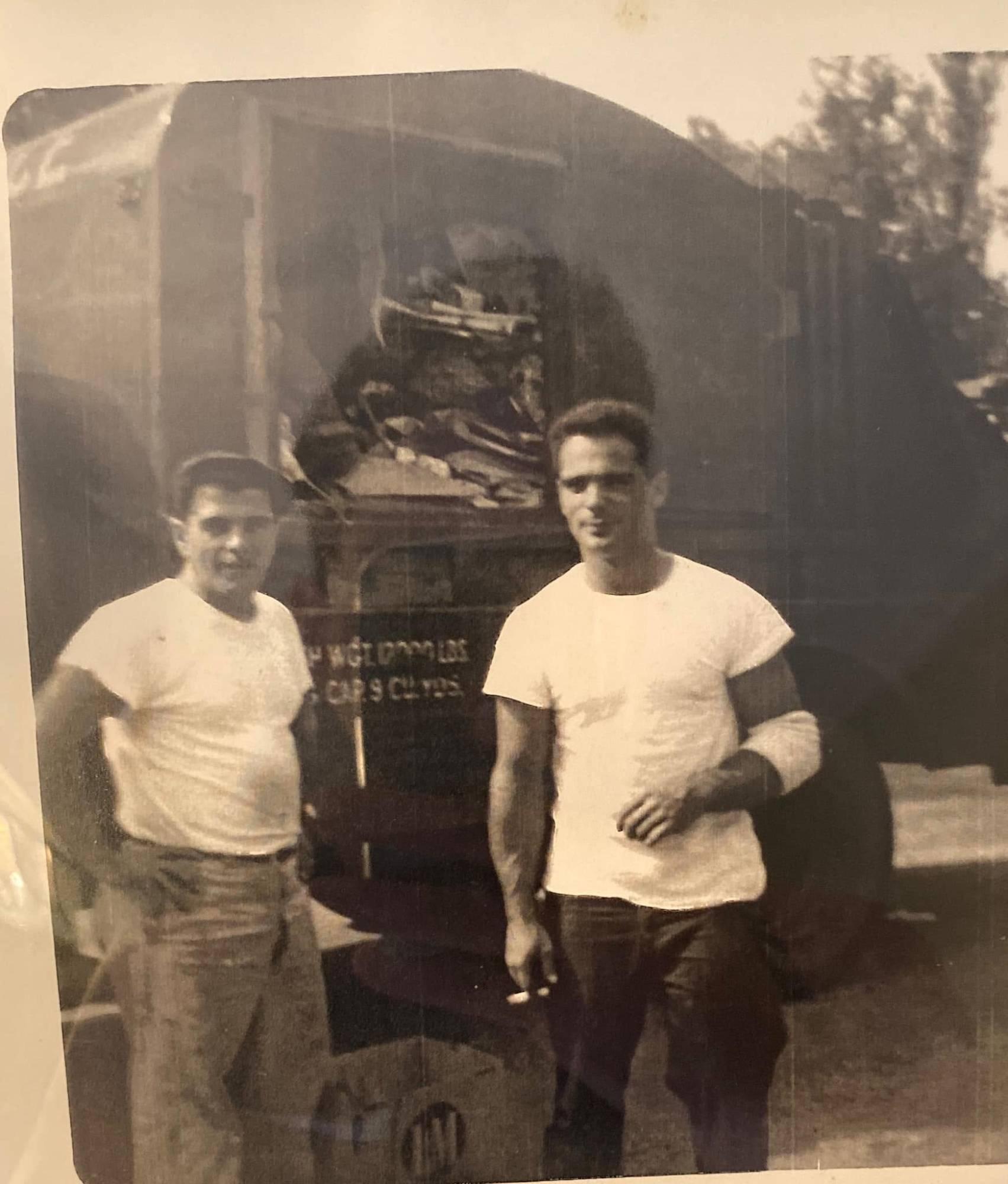
Joseph Frank Piccinonna — Julios Carting: When Hauling Became the Family Business
The second chapter in a four-part series tracing the Piccinonna family’s journey through four generations of hard work, hauling, entrepreneurship, and family.
The first generation of the Piccinonna story began with Giulio Piccinonna and a horse-drawn wagon on the streets of Brooklyn. The second generation would take those lessons and move the family even deeper into the hauling industry. That chapter belongs to Giulio’s son, Joseph Frank Piccinonna.
Joseph grew up with an example of hard work directly in front of him. He watched a father who built his livelihood through physical labor, customer relationships and dependability.
Like many children raised around a family business, Joseph learned lessons that were never written in a manual. You learned by watching, you learned by working, and eventually, you learned by doing.
Following in His Father’s Footsteps
Joseph followed the family’s growing connection to the hauling and carting industry. As the world transitioned away from traditional ice delivery, hauling became increasingly central to the family’s work. Joseph eventually established a carting business of his own on Long Island. But when it came time to name the company, he looked backward before moving forward.
He named it: Julios Carting Company. (We are still unsure of why he chose to spell it this way instead of the traditional way, Giulio)
The name was chosen in honor of his father. It was more than a company name. It was an early acknowledgement that what the family was building belonged to more than one generation.
The Family Business Becomes a Classroom
Julios Carting would become another important chapter in the Piccinonna story because it created a place where the next generation could learn the business firsthand. In families like ours, the business often becomes its own classroom. You learn about customers by listening to customer conversations. You learn routes by being on the road. You learn equipment by being around equipment. You learn responsibility because when something goes wrong, someone in the family has to solve it. But, above all, you learn that your last name means something when it is attached to the side of a truck.
The work was not glamorous. It was demanding, but there was pride in it. There was pride in earning a living. There was pride in building something of your own, and there was pride in doing work that people and businesses genuinely depended upon.
More Than a Company
Joseph helped turn what had begun as Giulio’s livelihood into something larger: a family tradition. By this point, hauling was no longer simply work performed by one Piccinonna. The knowledge was beginning to move from father to son and so were the expectations the family carried. As a Piccinonna you must work hard, know your business, take care of customers, do what you say you are going to do, and never be afraid of difficult work.
Those lessons would soon find their way into another member of the family, Joseph’s youngest son, Carlo Piccinonna. He would grow up surrounded by the business and ultimately take the entrepreneurial spirit of the family in an entirely new direction.
He would build companies, he would sell companies, he would start over, and he would eventually create the Great Waste name that our family carries today.
But before Great Waste, there was another leap of faith.
In 1982, Carlo Piccinonna decided it was time to build something of his own.
NEXT IN THE PICCINONNA LEGACY
Part Three: Carlo Piccinonna — Building, Rebuilding and the Birth of Great Waste